
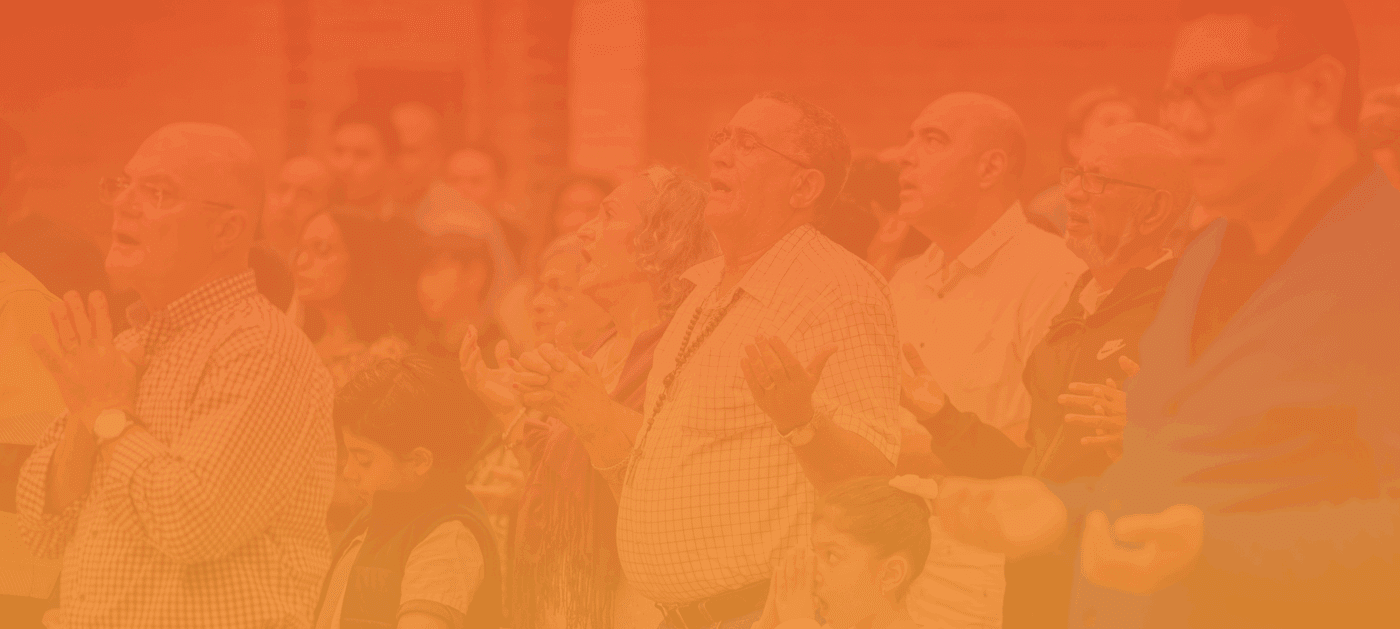
Reflection
“For it is the liturgy through which, especially in the divine sacrifice of the Eucharist, “the work of our redemption is accomplished,” and it is through the liturgy, especially, that the faithful are enabled to express in their lives
and manifest to others the mystery of Christ
and the real nature of the true Church.”
From the ancient truism, Lex Orandi, Lex Credendi, Lex Vivendi (as we worship, so we believe, so we live), we are challenged that liturgy is not just an add-on to our faith lives but an essential expression of it. We recognise the need to continually renew and strengthen our liturgical celebrations so that all the baptised may truly participate in the life of the Church and undertake the missionary role that Christ calls each believer to (Matthew 28:19-20).
Being a Synodal Church challenges all believers to recognise their giftedness and asks them to serve. The Diocese makes a commitment to ensure that everyone is able to exercise their proper roles and ministries within the liturgical celebrations conducted here in Western Sydney and the Blue Mountains.
Liturgy and ritual helps each believer to experience God in their day-to-day lives and to be nourished for their faith journey so that they may take up the opportunities presented to witness to the hope that is inside of them.
Part of the challenge is to recognise the truth of St. Thomas Aquinas’ phrase: “Whatever is received is received in the manner of the receiver.” While each believer is challenged to take up the opportunities to witness to their faith, what is more important is to recognise how the listener will receive what is being said or proclaimed. Whether we are reflecting on the homily, the prayers of the faithful or an articulation of the Church’s approach to bioethical or moral challenges in our world today, we should give as much attention to how the message will be received as we should give to the content of the message.

This is why our faith communities are so important because it allows us to get to know others and be known ourselves. We can never be satisfied to be passive consumers of faith. Jesus calls us disciples because he invites us to see that liturgy not only nourishes us for our faith journey but points towards our ultimate destination – eternal life. For example, the Eucharist – the bread is broken into many, so that the many may become one. This is why the Second Vatican Council called for liturgical reform to help us align our lives, our liturgy, our rituals, our faith and ultimately our understanding, so that what we do, how we pray may truly inform what we believe and how we live.

Local community discernment questions
- How can we open our formation opportunities to include other members of the Church?
- How can we develop and promote liturgical opportunities and ‘spaces’ for the expression of faith that are more open and inclusive, reflecting the rich cultural diversity of the community?
- What skills and interests exist in our community that could enhance our celebration and prayer? What formation is needed to support this?
- How can clergy and lay leaders construct and deliver homilies and public addresses that better respond to the minds, hearts and circumstances of the people to whom they minister?
- How can parents be better supported, especially with formation opportunities dedicated to them, in their roles as the first educators of their children?
Local community action
- Form a Prayer and Liturgy Committee that will focus on developing the quality and experience of liturgy in your community.
- Develop and facilitate prayer and reflection programs that engage the community and align with the liturgical season of the Church.
- Share online resources which communicate different forms of prayer that communities can explore.
- Engage the community to explore topics that respond to their spiritual and pastoral needs. These can then be incorporated into homilies.
- Establish connections with other community groups to create common opportunities for prayer.
- Invite volunteers to share in leading the community prayer such as the Rosary and Children’s Liturgy.
- Introduce programs like Alpha into the community.
- Create opportunities for quiet prayer, Adoration, and Adult Faith Formation.
- Review your community’s engagement with the sacramental program and consider how best to invite others into this important element in the life o the Church.
- Encourage local community leaders to attend liturgical formation courses in various ministries.
Resources
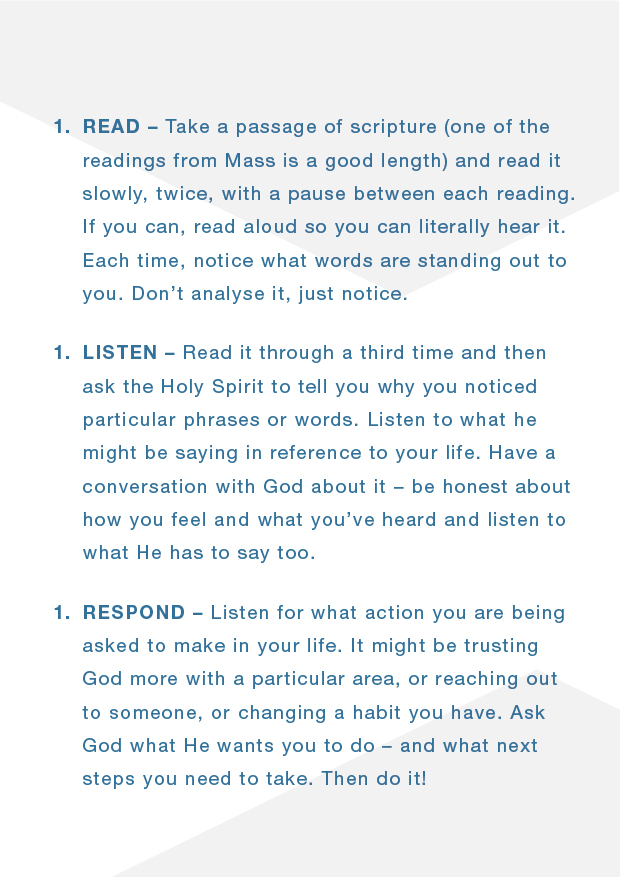
Lectio Divina invites us into a special conversation with God. These social media graphics and printed-foldable booklet outline some practical steps on how to journey with Jesus through this beautiful form of prayer. You might consider keeping it safely stored in your own personal bible as you explore the beauty, wonder and meaning of scripture.


Pope Francis has challenged young people across the globe to consider how they are the ‘now of God’. Not the future of the Church. But the present. This contemporary video draws together some inspiration from Pope Francis for reflection and prayer.
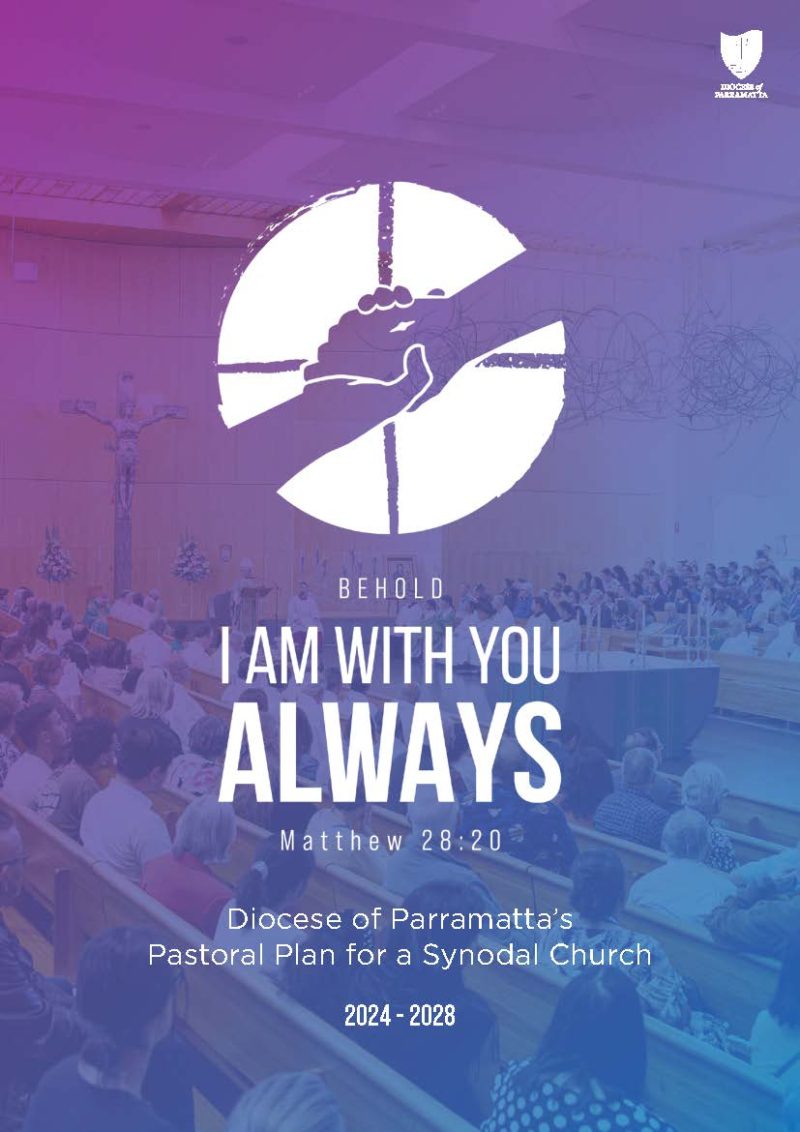
Download a digital copy of
“Behold, I am with you always” Diocese of Parramatta’s
Pastoral Plan for a Synodal Church 2024 – 2028